
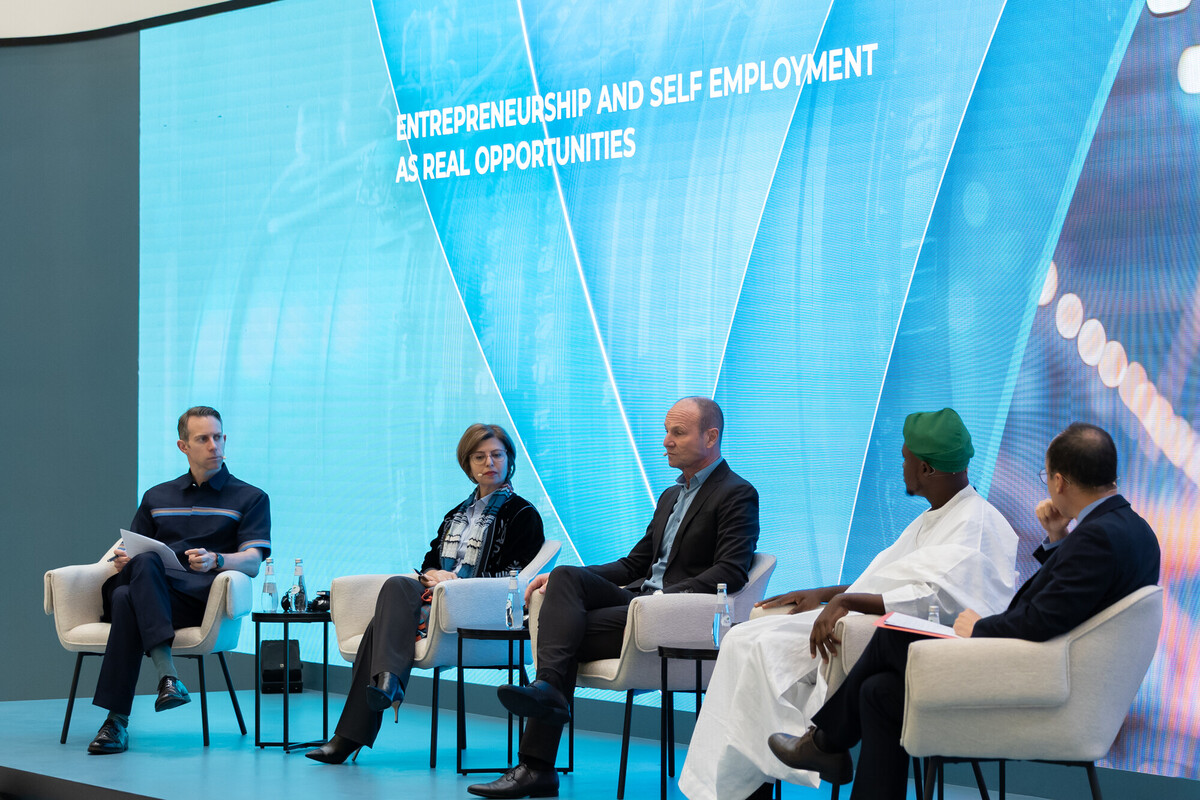
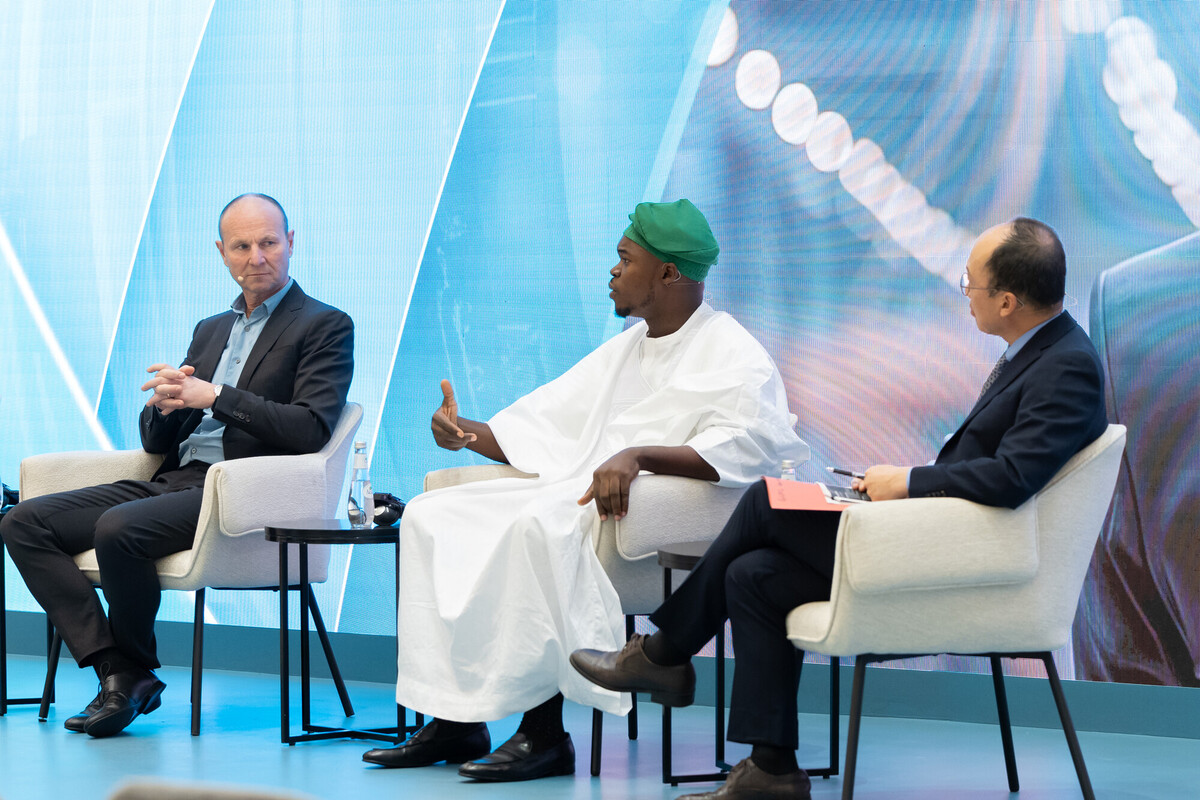
At the Global Labour Market Conference in Riyadh, King’s Trust International hosted a panel exploring a defining question for the global economy: what happens when job demand vastly outstrips job supply?
Insights from our Panellists
With youth populations growing rapidly, particularly in the Global South, the panel examined entrepreneurship and self-employment as an increasingly central pathway to livelihoods, resilience and economic participation.
The discussion surfaced a clear set of challenges.
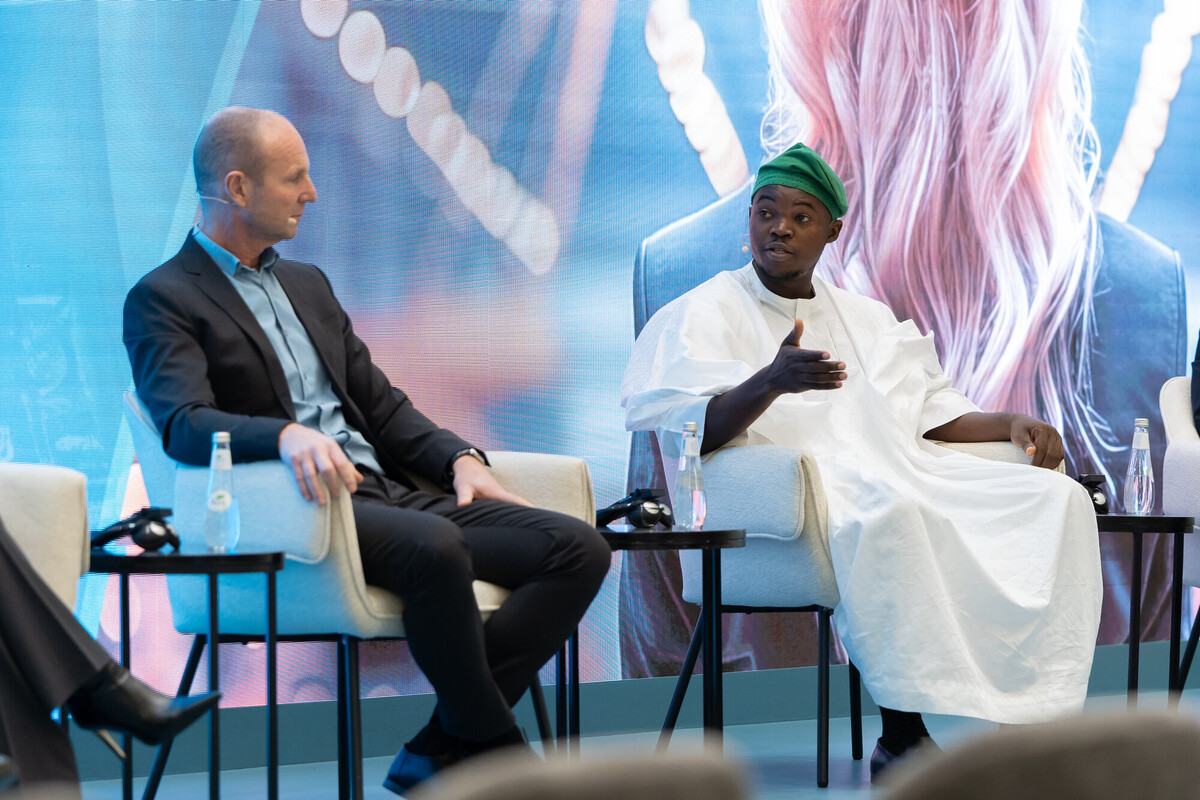
Ojekide Clement, a Nigerian fashion entrepreneur who graduated from King’s Trust International’s Enterprise Challenge programme, spoke candidly about the early barriers he faced: limited access to capital and a lack of practical information on how to price products, market effectively and build a sustainable business. These gaps, while often invisible in policy debates, can determine whether a young business survives its first year.
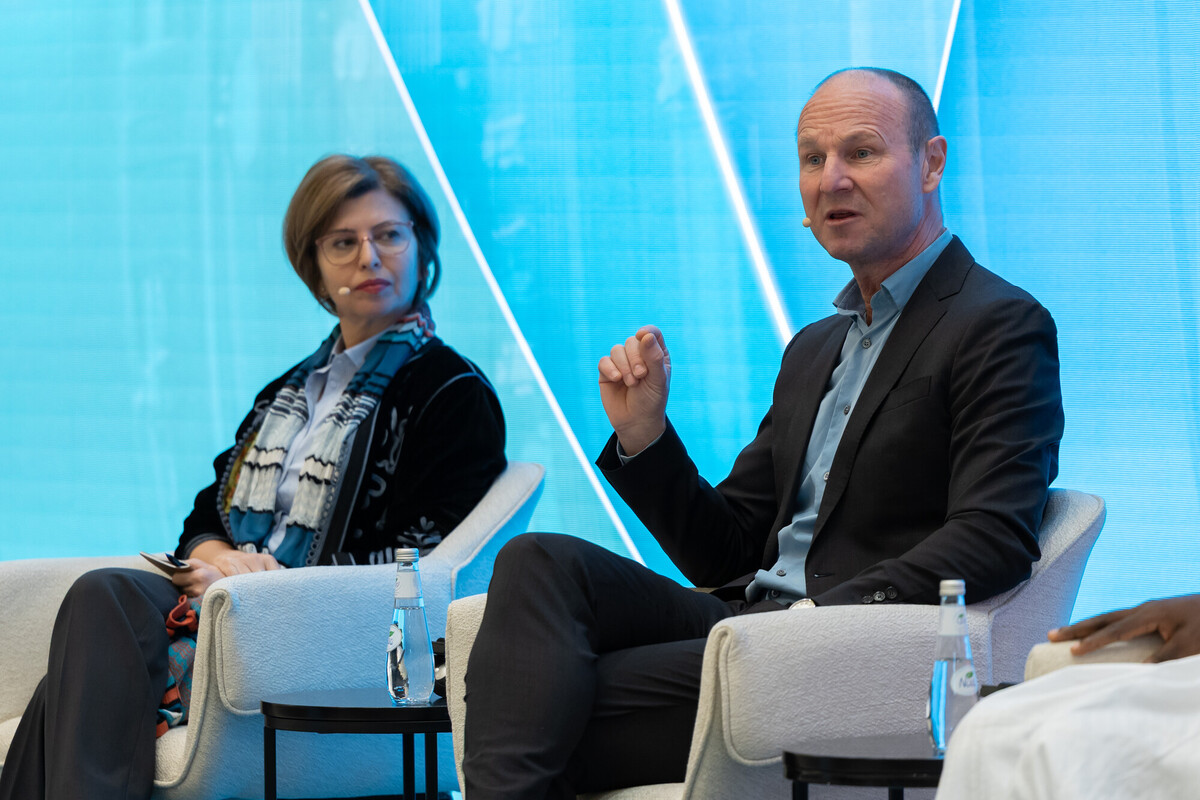
From an academic perspective, Professor Kjetil Bjorvatn shared findings from research in Tanzania comparing entrepreneurs who received business training with those who did not. While training improved outcomes overall, the most striking insight was gendered: women experienced significantly poorer results. The reason was not capability, but constraint: expectations around caregiving and motherhood limited the returns women could gain from training alone, pointing to the need for broader social and structural change.
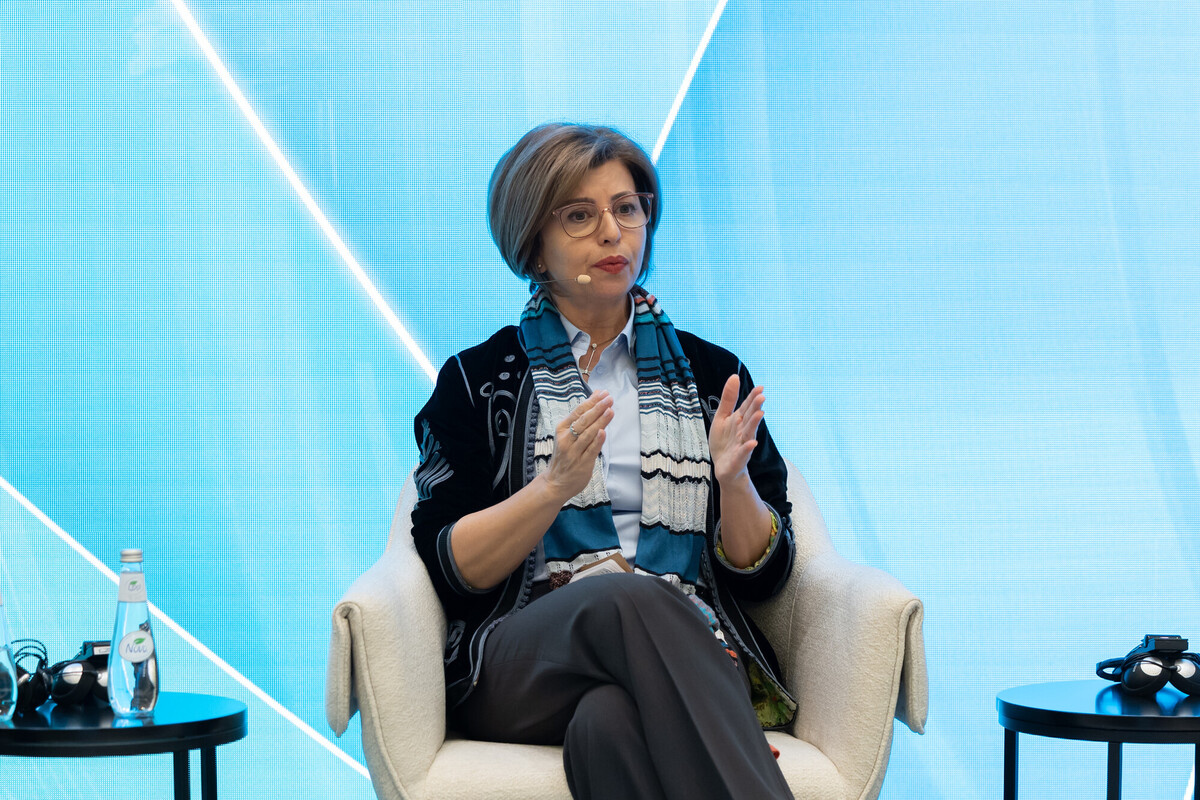
Deema Bibi, CEO of INJAZ, argued that entrepreneurship education often comes too late. “Entrepreneurship is a mindset,” she noted, one that must be nurtured from an early age and supported through experimentation and failure. She stressed that alongside technical business skills, programmes must build persistence, resilience and networks, and be intentionally designed with a gender lens. Many existing incubators, she observed, are built around male norms and unsurprisingly, men benefit more.

From a policy standpoint, Sangheon Lee, Director of the Employment Policy Department at the International Labour Organization, highlighted the risks inherent in entrepreneurship. With low survival rates for new businesses, self-employment can be a precarious pathway unless properly supported. He argued for the importance of de-risking entrepreneurship through government safety nets and a stronger role for the private sector.
Improving Entrepreneurship Outcomes at Scale
The panel also looked forward, identifying what could improve outcomes at scale:
- Creating financial backstops and space to fail safely
- Building enabling legislative environments for private-sector engagement
- Facilitating networks and platforms that connect entrepreneurs to capital, markets and peers
- Designing entrepreneurship ecosystems that work for women as well as men
The conclusion was clear: If it is to meet the realities of today’s labour market, entrepreneurship must be supported by intentional systems, inclusive design and shared responsibility.
At King’s Trust International, this conversation reinforced why tailored training programmes which strengthen entrepreneurial ecosystems is essential to unlocking opportunity for young people worldwide.